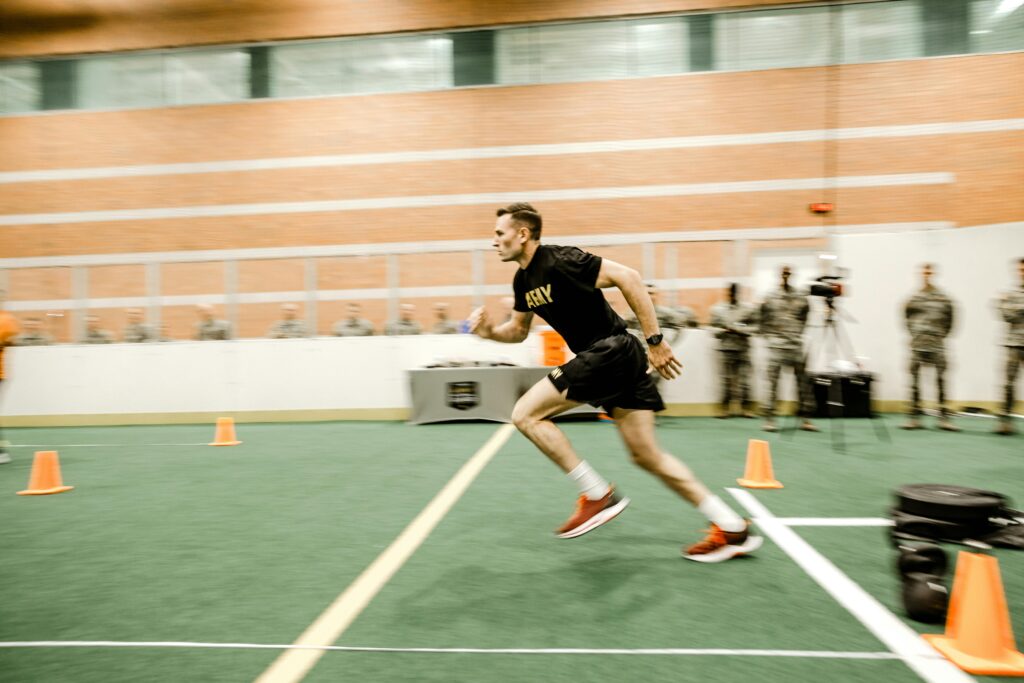
Athletic performance training is a structured fitness approach focused on improving strength, speed, endurance, and movement efficiency. It’s not just for athletes; regular people can follow modified programs to improve their overall athletic performance, reduce injury risk, and build everyday fitness.
You’ve seen elite athletes train sprinting, lifting, reacting at lightning speed. It looks intense, almost like a different world. But here’s the real question: is that kind of training only meant for professionals, or can everyday people benefit from it too?
The truth is, athletic performance training isn’t just for pros anymore. It has evolved into a practical, science-backed way for anyone to move better, feel stronger, and perform at their best whether that’s in sports or daily life.
In this guide, we’ll break down what athletic performance training actually means, what it includes, and whether it’s something regular people can realistically do.
What Is Athletic Performance Training
Definition & Core Concept
Athletic performance training is a goal-oriented fitness method designed to improve how your body performs in movement, sports, and daily activities.Unlike general gym workouts, it focuses on how well you move, not just how you look.
Key difference:
- General fitness – aesthetics and basic health
- Performance training – movement quality, efficiency, and output
Core pillars include:
- Strength
- Speed
- Agility
- Endurance
- Flexibility
- Recovery
The Science Behind It
At its core, this type of training is built on a few proven principles that help your body improve in a safe and structured way. One of the key concepts is progressive overload, which means gradually increasing the intensity of your workouts so your body adapts without getting injured. Along with that, periodization helps organize your training into phases, allowing steady progress while preventing burnout.
Another important element is sport-specific conditioning. This simply means training movements that actually translate into real-life activities like running, jumping, or lifting, instead of just repeating isolated exercises.
What makes this approach different from bodybuilding or casual gym workouts is its focus on performance. Instead of only building muscle size, it includes dynamic movements such as sprints, jumps, and directional changes. It also works on coordination and reaction time, helping your body move more efficiently in everyday situations.
What Does It Actually Include?
A well-rounded program isn’t just lifting weights. It’s a “full-spectrum” approach to human movement.
Strength & Power Training
This is the engine room. You’ll use tools like dumbbells, kettlebells, or barbells. The focus is on plyometric training explosive movements like box jumps to teach your muscles to fire quickly.
Speed, Agility & Quickness (SAQ)
Have you ever tripped on a curb and wished your feet moved faster? That’s where SAQ comes in. Using ladder drills or cone work, you improve your coordination and reaction time.
Mobility, Flexibility & Injury Prevention
Athletes can’t perform if they’re hurt. Performance training prioritizes “pre-hab.” This means working on joint mobility so you can squat deeper and move your shoulders freely without pain.
Recovery & Nutrition
Training is only half the battle. Sports fueling focuses on high-quality proteins and complex carbs to repair tissue, while recovery protocols (like foam rolling or structured sleep) ensure you don’t burn out. Recovery tools like compression therapy and cold therapy (cryotherapy) complete your day to day fitness journey for better recovery to get you back in the game.
General Fitness vs Athletic Performance Training
If you’re unsure how regular gym workouts differ from athletic performance training, this quick comparison will make it clear. The table below highlights key differences in goals, training style, and overall outcomes.
| Aspect | General Fitness | Athletic Performance Training |
| Goal | Weight loss / muscle gain | Movement & performance |
| Focus | Isolated exercises | Functional movements |
| Intensity | Moderate | Structured & progressive |
| Training Style | Repetition-based | Skill + strength + speed |
| Outcome | Looks better | Moves and performs better |
Is It Only for Elite Athletes?
While the intensity might differ, the movements are the same. A pro basketball player might do a high-intensity weighted jump, while a beginner might start with a simple, rhythmic bodyweight hop. Athletic performance training can be scaled for:
- The Desk Worker: Uses performance training to fix posture and strengthen a weak back.
- The Parent: Uses it to gain the “functional fitness” needed to lift toddlers without pulling a muscle.
- The Older Adult: Uses it to maintain bone density and balance.
Beginner-Friendly Entry Points
If you are looking to start, don’t just jump into a pro-level circuit. Start with a movement assessment. A qualified coach will look at how you move, are your hips tight? Is one leg stronger than the other? From there, you build a baseline. If you’re looking for a world-class environment to start this journey, a premier fitness center like Cowboys Fit Gym Plano offers specialized facilities and trainers who bridge the gap between pro-level tech and everyday fitness goals.
Why Regular People Should Focus on Athletic Performance
Why switch from a standard gym circuit to an athletic-based program? The benefits go far beyond just physical appearance. When you train like an athlete, everyday movements start to feel easier and more natural. Simple tasks like carrying luggage, climbing stairs, or reaching for something overhead don’t feel as tiring anymore because your body becomes more efficient in movement. At the same time, this type of training helps improve your metabolism. Since it includes explosive and multi-joint exercises, your body burns more calories not just during the workout but even after you’re done. This makes it effective for people who want better body composition without relying only on long cardio sessions.
Another important benefit is joint health and injury prevention. By focusing on proper movement patterns, your knees, back, and shoulders are better supported, which reduces wear and tear over time. Along with physical changes, there’s also a mental boost. Learning new movements like agility drills challenges your brain, improves focus, and builds confidence. It also helps reduce stress because you’re working towards performance-based goals rather than just counting calories or reps.
Your First Steps Into Athletic Performance Training
Getting started with athletic performance training doesn’t have to feel complicated or overwhelming. You don’t need perfect fitness or advanced knowledge just a clear starting point and a simple plan you can stick to.
Step-by-Step Plan
Step 1: Assess Your Current Fitness
Before jumping into workouts, understand where you stand right now.
- Check your mobility (can you move joints freely?)
- Test basic strength (push-ups, squats, core stability)
- Notice your endurance (how quickly you get tired)
This gives you a starting baseline so you don’t overtrain or get injured.
Step 2: Define Your Goal
Your training should match what you actually want to achieve.
- Fat loss – focus on conditioning + strength
- Stamina – add more endurance work
- Sports performance – include agility & power
- General health – balanced approach
Clear goals help you stay consistent and avoid random workouts.
Step 3: Choose the Right Program
This is where most people go wrong; they follow random routines.
- Go for a structured athletic conditioning program.
- Or start with guided functional fitness training.
- Ensure the program prioritizes long-term athletic performance training over quick, unsustainable results.
Sports performance – include agility & power” to “Athletic goals – explore dedicated sports performance training to improve agility and power.
Step 4: Train 3x Per Week
- 3 focused sessions per week is enough to start
- Give your body time to recover
- Focus on consistency over intensity
Showing up regularly matters more than going all-out once in a while.
Step 5: Track & Progress
Progress is what keeps you improving and motivated.
- Track strength, stamina, or movement improvements
- Slowly increase difficulty (weights, reps, intensity)
- Follow periodization meaning you adjust workouts over time instead of doing the same thing forever
Search for “certified strength and conditioning coach near me” or explore facilities that specialize in sports performance training.
Finding the Right Facility for Your Goals
You can’t maximize your potential in a facility that only offers standard treadmills and fixed weight machines. To truly benefit from athletic performance training, you need a space equipped for dynamic movement.
Look for a fitness center that provides:
- Turf areas for sled pushes, sprints, and agility drills.
- Olympic lifting platforms for safe power development.
- Expert coaches who specialize in sports performance training can help you track your athletic performance metrics over time.
Choosing a high-level environment like Cowboys Fit Gym Plano ensures you have access to the exact same recovery tools and strength and conditioning training equipment used by the pros, tailored for your specific fitness level. You don’t need a jersey or a stadium to be an athlete. Athletic performance training is simply about maximizing the potential of the body you have. By focusing on power, mobility, and smart recovery, you aren’t just getting “fit” you’re becoming more capable.
Whether you are training for a local league or just for the “game of life,” remember that the best time to start moving better was yesterday; the second best time is today.
Would you like me to help you find a list of specific mobility exercises or a sample 3-day beginner performance split to get started?
Frequently Asked Question
What is athletic performance training in simple terms?
Athletic performance training is a structured way of exercising that focuses on improving strength, speed, endurance, and overall movement so your body performs better in sports and daily life.
Can beginners do athletic performance training?
Yes, beginners can absolutely do it. The training can be adjusted based on fitness level, starting with basic movements and gradually increasing intensity over time.
How is athletic performance training different from regular gym workouts?
Regular workouts often focus on weight loss or muscle building, while athletic performance training focuses on improving how efficiently your body moves, reacts, and performs.
How many days a week should I do performance training?
Most beginners can start with 2–3 sessions per week and increase gradually based on recovery and fitness level.
Is athletic performance training good for weight loss?
Yes, it can support weight loss by improving metabolism, building lean muscle, and increasing overall activity levels.